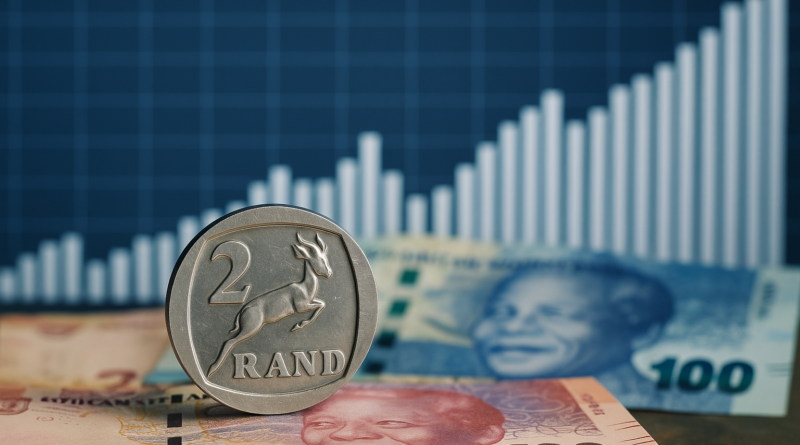
Rand Stays Strong Near Five-Month High Despite Decline in Mining Output
The South African rand has maintained its position near a five-month high, despite a significant decline in mining output. This resilience comes as a surprise to analysts, given that the mining sector is a critical component of the nation’s economy.
As of the latest reports, the rand traded at approximately 18.50 to the U.S. dollar, showing notable stability amid fluctuating global economic conditions. The currency’s strength is attributed to a combination of factors, including a weaker dollar and rising commodity prices, which have bolstered investor confidence in emerging markets.
However, the mining sector, which has long been a cornerstone of South Africa’s economy, has faced challenges recently. The latest data indicates a sharp drop in production levels across key minerals. For instance, gold and platinum output has decreased significantly, raising concerns about the sector’s future viability and its contribution to the overall economy.
Industry experts have pointed to several reasons for the production decline. These include ongoing power supply issues, labor strikes, and logistical challenges that have hindered operations. The persistent energy crisis in South Africa has particularly impacted the mining industry, with many companies struggling to secure reliable electricity supplies to power their operations.
Despite these setbacks, the rand’s performance has surprised many market analysts. The currency’s strength can be partially attributed to global market dynamics, where the U.S. dollar has softened against other currencies due to expectations surrounding U.S. monetary policy. Investors are increasingly looking to diversify their portfolios, and South Africa’s relatively high interest rates and potential for growth have made the country an attractive option.
In recent weeks, the South African Reserve Bank has indicated that it may consider further interest rate hikes in response to inflationary pressures. This has added to the appeal of the rand for foreign investors, as higher interest rates typically lead to increased foreign capital inflow, bolstering the currency’s value.
However, some analysts caution that the sustainability of the rand’s current strength may be tested in the coming months. If the mining sector does not recover and continues to face production challenges, it could have a ripple effect on the broader economy. The mining industry is not only a significant employer but also a vital contributor to government revenue through taxes and exports.
Market observers are closely monitoring the situation, as any further deterioration in mining output could weigh heavily on the rand. Additionally, global economic conditions, particularly in major markets like China, which is a significant consumer of South African commodities, will influence demand and pricing.
In conclusion, while the rand currently holds firm near its five-month high, the outlook remains uncertain as the mining sector grapples with ongoing challenges. Stakeholders will be watching closely to see how these dynamics unfold and what implications they might have for the South African economy as a whole.