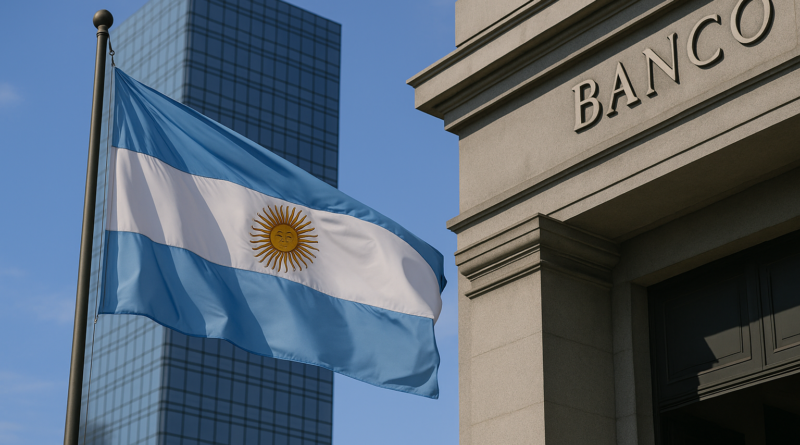
Argentina Unveils Plans to Ease Dollar Lending Rules for Banks
Argentina is set to relax its regulations on dollar-denominated lending for banks, a move that aims to bolster financial stability and promote economic growth amid ongoing challenges in the country’s economy. This decision comes as part of a broader strategy to improve access to foreign currency and support domestic businesses grappling with inflation and currency devaluation.
The Central Bank of Argentina announced that it will permit banks to offer dollar loans under more flexible terms, a significant shift from previous restrictions. This change is expected to provide a much-needed boost to the private sector, allowing companies to secure funding in a more stable currency as they navigate the complexities of operating in an economy plagued by inflation rates exceeding 100%.
Under the new guidelines, banks will have greater latitude in determining interest rates and loan terms for dollar-denominated loans. This flexibility is designed to encourage lending to small and medium-sized enterprises (SMEs), which have been particularly hard-hit by the economic downturn. By facilitating access to dollar credit, the government aims to stimulate investment and drive growth in critical sectors such as manufacturing and agriculture.
Economists have cautiously welcomed the announcement, recognizing the potential benefits of increased dollar liquidity in the market. However, they also warn that the success of this initiative will depend on the banks’ willingness to lend and the overall economic environment. The Argentine peso has experienced significant volatility, and businesses often struggle to manage the risks associated with currency fluctuations.
In recent years, Argentina has faced a series of economic crises characterized by high inflation, a depreciating peso, and dwindling foreign reserves. The government has implemented various measures to stabilize the economy, including tightening monetary policy and negotiating with international creditors. The easing of dollar lending rules is seen as a necessary step to restore confidence among investors and businesses.
The Central Bank’s decision aligns with President Javier Milei’s administration, which has prioritized economic reform since taking office. Milei has expressed a commitment to restoring fiscal discipline and attracting foreign investment as part of a comprehensive plan to revitalize Argentina’s struggling economy. The easing of lending restrictions is viewed as a critical component of this strategy.
Market reactions to the announcement have been mixed, with some analysts expressing optimism about the potential for increased economic activity. However, concerns remain about the long-term sustainability of such measures, particularly in light of Argentina’s historical struggles with inflation and currency devaluation.
As the government moves forward with these changes, it will be essential to monitor their impact on the broader economic landscape. The success of the new dollar lending rules will hinge not only on the immediate response from banks and businesses but also on the government’s ability to implement further reforms that will foster a more stable and predictable economic environment.
In conclusion, Argentina’s decision to ease dollar lending rules represents a significant shift in monetary policy aimed at supporting economic growth and stability. While the initial reaction has been cautiously optimistic, the path ahead will require careful navigation of the complexities inherent in the country’s economic situation. Stakeholders across the financial sector will be watching closely to gauge the effectiveness of these reforms in revitalizing Argentina’s economy.